Beyond the Fish Tank: Trout in the Classroom in Carlisle, PA
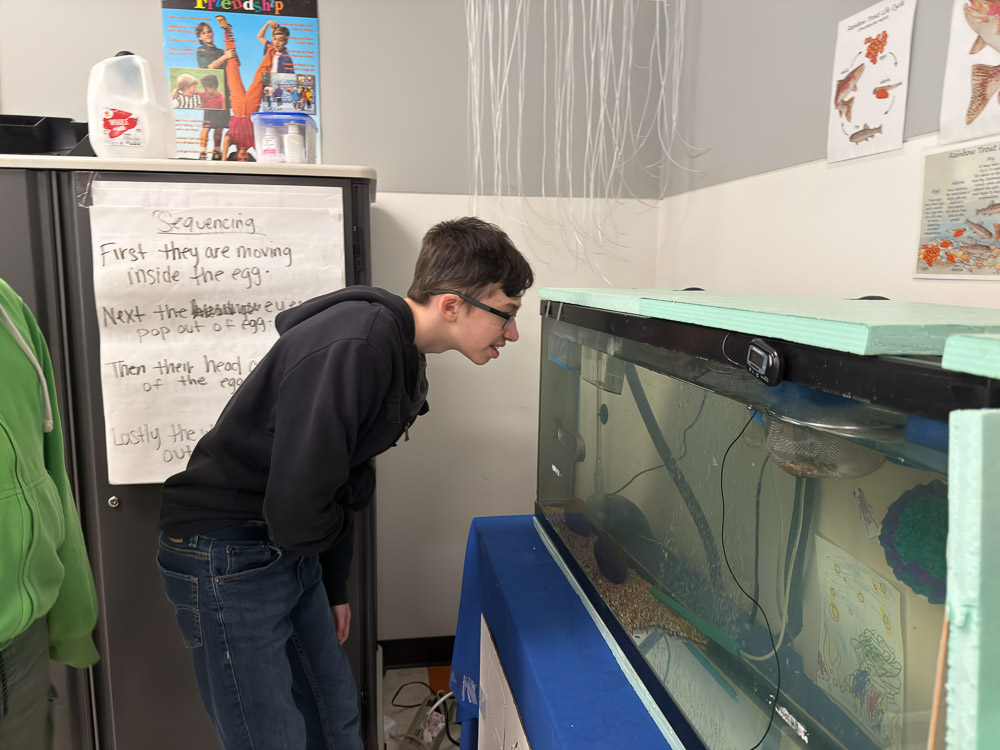
In a classroom at Lamberton Middle School in Carlisle, PA, students are experiencing science in a way that reaches far beyond a textbook. Through Trout in the Classroom at Lamberton Middle School, supported by Cumberland Valley Trout Unlimited (CVTU) in Cumberland County, students are raising trout from eggs to fingerlings while learning firsthand about aquatic ecosystems, water chemistry, and local conservation.
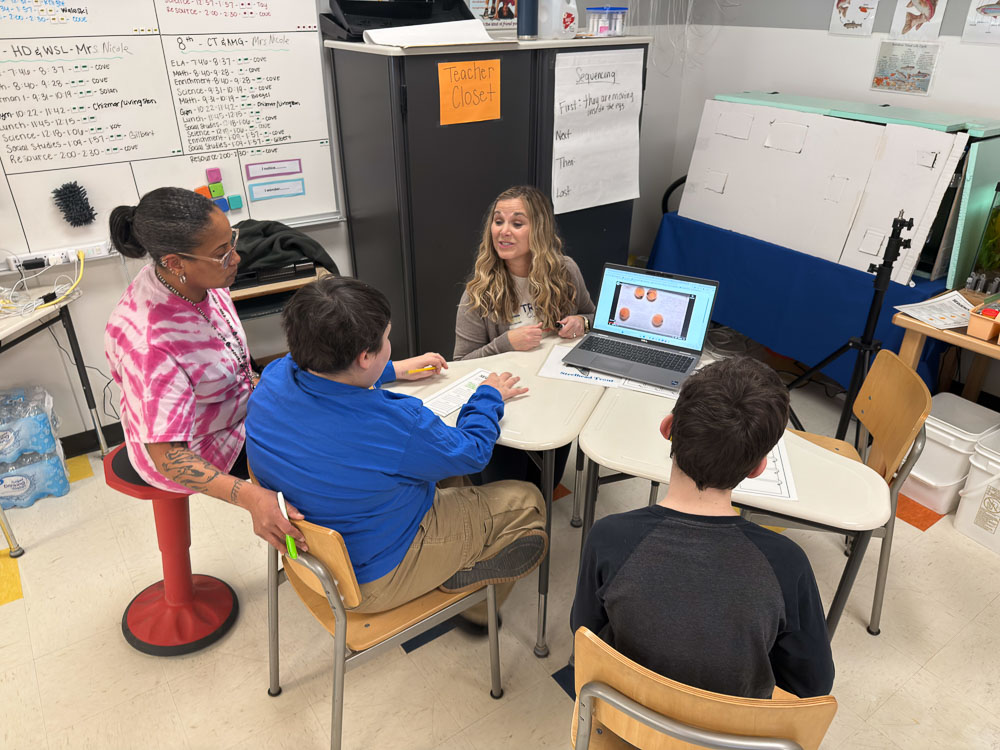
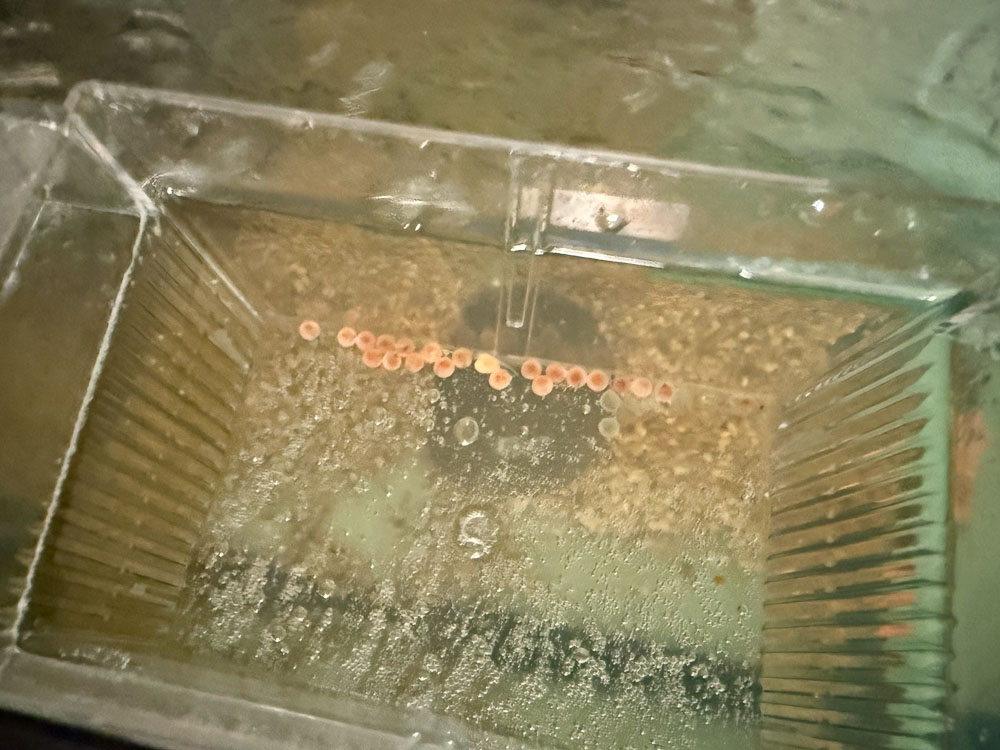
Science lessons look a lot like art class. Students are rolling Play-Doh into small spheres and pressing sequins into the center. But these aren’t crafts. They’re building models of the “eyed egg” stage of trout development, a way to study what’s happening inside the live trout eggs developing in the tank across the room.
This kind of hands-on learning is at the core of Trout in the Classroom.
What Trout in the Classroom Is Really About
Trout in the Classroom (TIC) is an environmental education program that gives students the chance to raise trout from eggs to fingerlings in a classroom aquarium. Along the way, students monitor water quality, learn about aquatic ecosystems, collect data, and see how human actions affect local waterways. The experience often ends with a release of the fish into approved streams, connecting classroom learning to the real world.
At its best, the program teaches patience, responsibility, observation, and problem-solving. It’s not about having a fish tank in the room. It’s about using a living system to teach science in a way that sticks.
A Closer Look at One Classroom
At Lamberton Middle School, Trout in the Classroom is being used in an autism support classroom operated by Vista Autism Services. What’s happening here is less about the setting and more about the approach.
The core Trout in the Classroom goals haven’t changed. Students are still learning about ecosystems, water chemistry, and biological development. What has changed is the pacing and the way instruction is delivered.
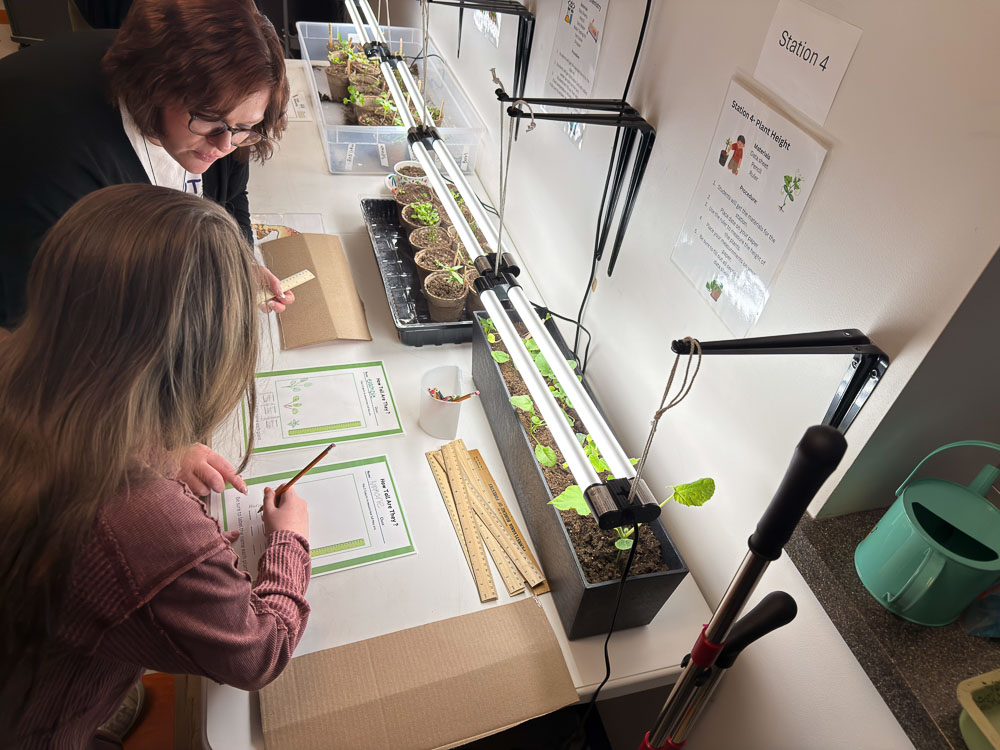
Instead of reading only from a manual, students pump water from the trout tank to fertilize plants and compare growth results with plants watered from the tap. They track measurements, record observations, and discuss results. They watch video of trout egg development while building physical models to reinforce sequencing and life cycles. They roll Play-Doh into simulated eggs.
Partnership in Practice
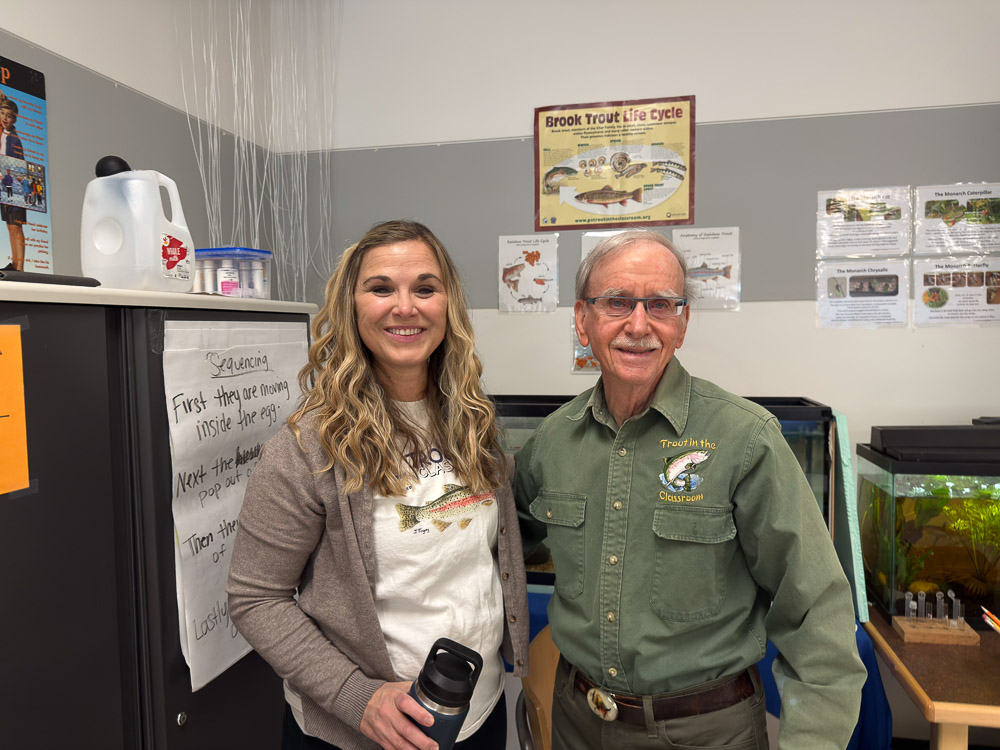
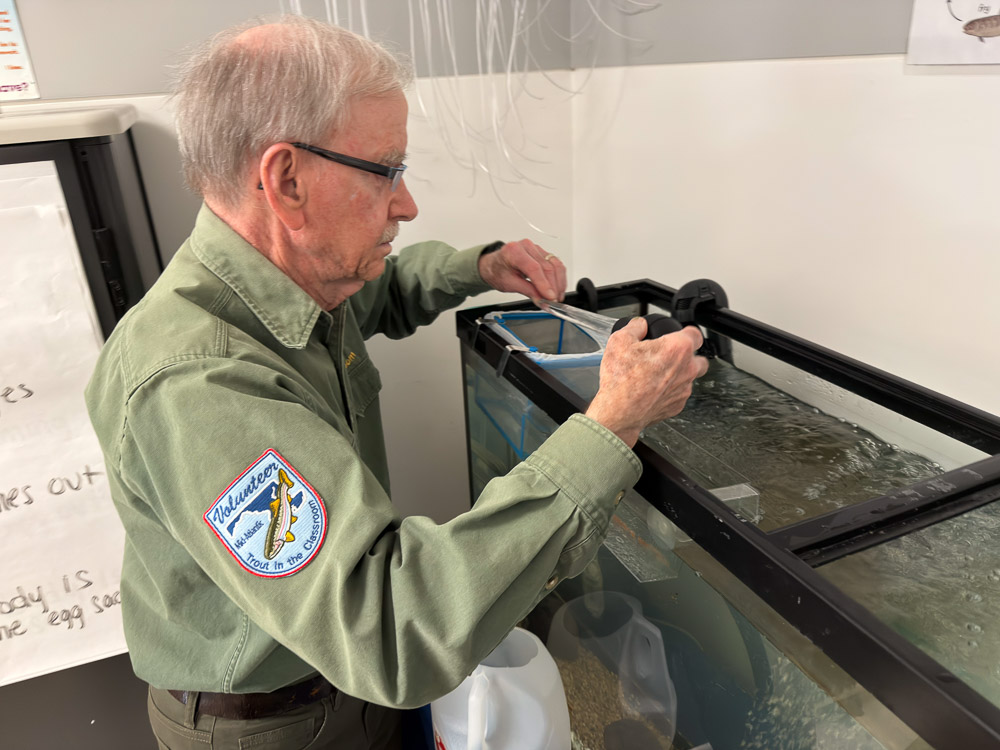
Programs like Trout in the Classroom don’t succeed in isolation. At Lamberton, the classroom works closely with Chuck Dinkel, a Trout Unlimited volunteer who provides technical guidance on maintaining a cold-water trout system.
That partnership matters. Managing a trout tank requires specific knowledge and attention, and having a dedicated volunteer ensures the system stays healthy and stable. It also allows the teaching staff to focus on what they do best: instruction.
This kind of collaboration is a reminder that Trout in the Classroom works best as a shared effort. Teachers don’t have to be experts in everything. With the right partners, the program becomes both manageable and sustainable.
Building Confidence and Connection
Over time, the trout tank has become a point of connection within the school. General education students and staff stop by the classroom to check on the fish and ask questions. Students with autism who were once hesitant to engage now explain what they’re tracking or invite visitors to see their work.
The effects reach beyond the classroom as well. Parents have shared that the responsibility students practice at school, such as checking the tank or following daily routines, is showing up at home through chores and increased independence. While not a unique outcome for the students in this program, for students with autism this is a step towards future independence many parents never thought would happen.
These outcomes aren’t accidental. They’re the result of consistent expectations, meaningful work, and a program that gives students something real to care for.
Why This Example Matters
What’s happening at Lamberton isn’t a one-off success story. It’s an example of what Trout in the Classroom is designed to do when the program is supported and implemented thoughtfully.
It shows that:
- the curriculum can be adapted without being watered down,
- community partnerships strengthen the program,
- and hands-on science can engage a wide range of learners.
For educators, volunteers, and supporters, this classroom offers a clear takeaway: Trout in the Classroom is flexible, practical, and effective when the right pieces are in place.
Supporting Trout in the Classroom
Trout in the Classroom doesn’t happen by accident. It’s made possible by a community of anglers, volunteers, and local supporters who believe in clean water, hands-on education, and the future of our fisheries.
If this story resonates with you, here are a few meaningful ways to get involved:
- Fish the Limestoner Spring Fly Fling
Register as a two-person team or participate through a team sponsorship. Spend a day on the water while directly supporting conservation and education. - Attend the Limestoner Banquet
Join us for an evening of great food, community, raffles, and auctions—all supporting local programs and projects. - Become a Community Sponsor
Make a direct impact by supporting local conservation efforts and programs like Trout in the Classroom, helping bring these experiences to more students across our region.
Every level of support helps turn classrooms into living ecosystems, strengthens our local waters, and connects the next generation to the outdoors.
Join us. Support the mission. Be part of something that matters.
Trout in the Classroom relies on equipment, training, volunteers, and community support to continue. To learn more about the program and how it works across the state, visit the Pennsylvania Trout in the Classroom website at https://www.patroutintheclassroom.org/.
If you’re interested in supporting innovative classroom experiences like this one, you can also make a contribution to Vista Autism Services at https://vistaautismservices.org/give/. Donations help sustain hands-on learning opportunities and the partnerships that make them possible.
Share this article
Follow us
A quick overview of the topics covered in this article.